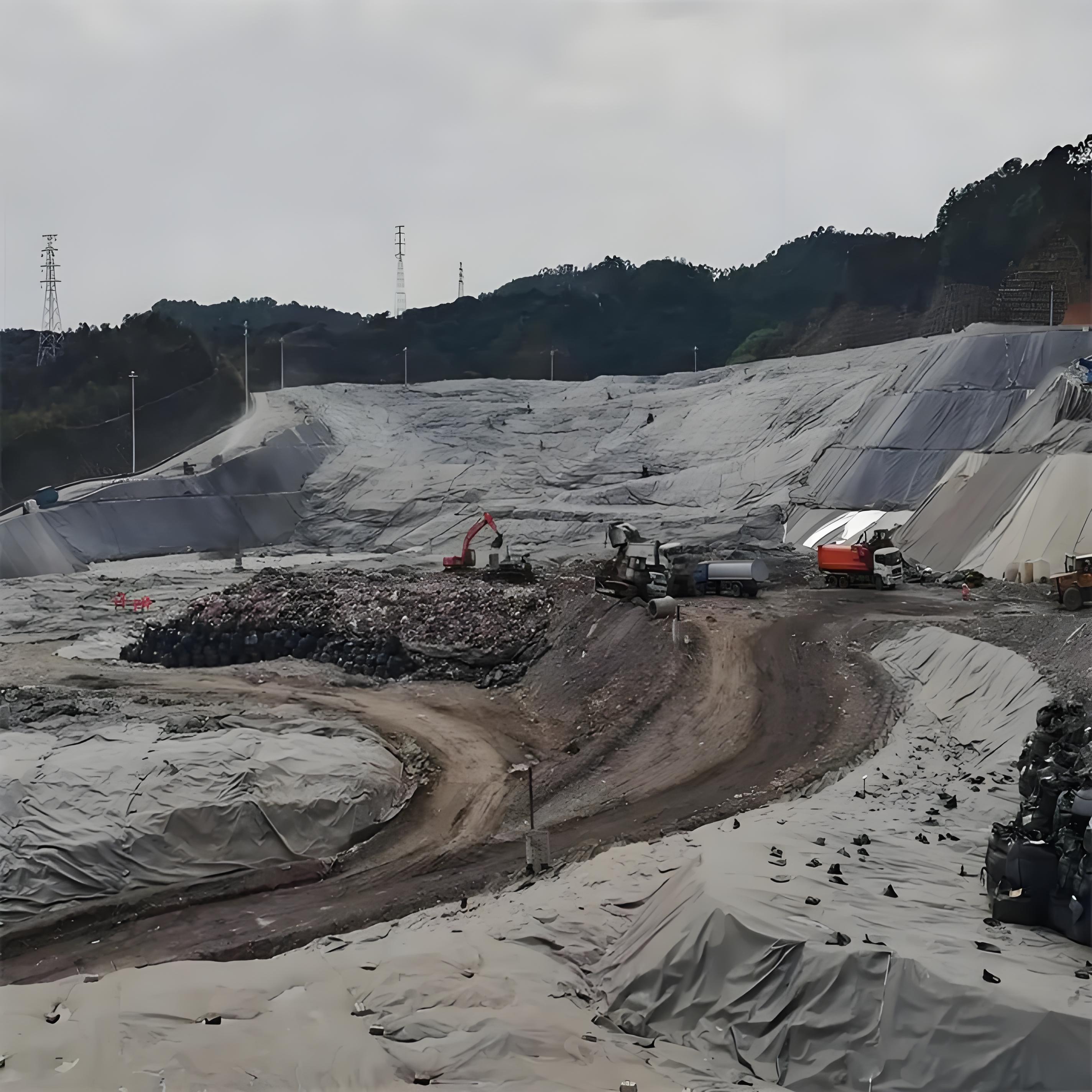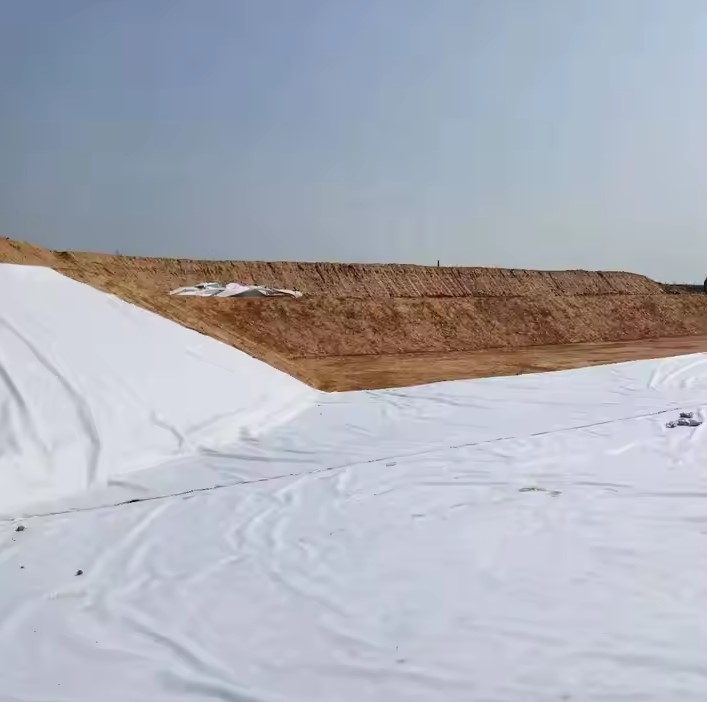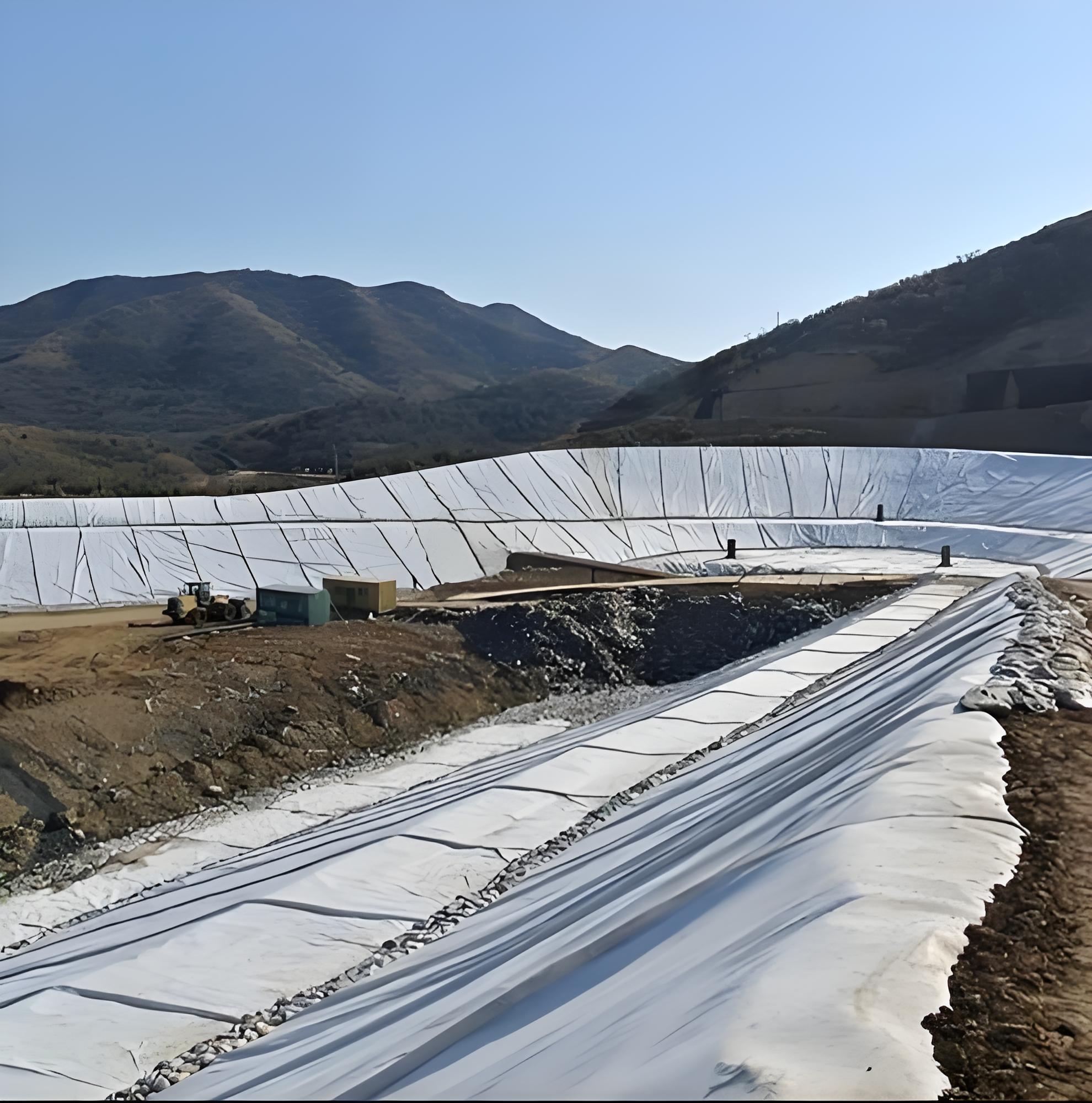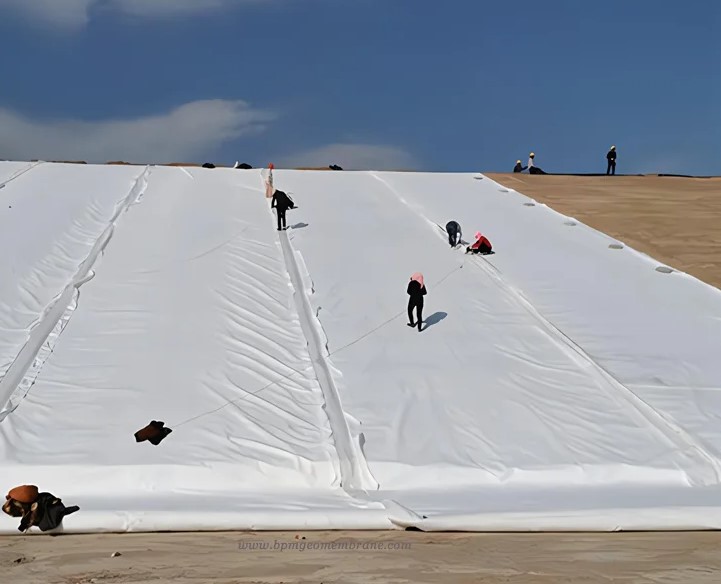
Description of Geocomposites Made of Geononwoven and Geomembrane:
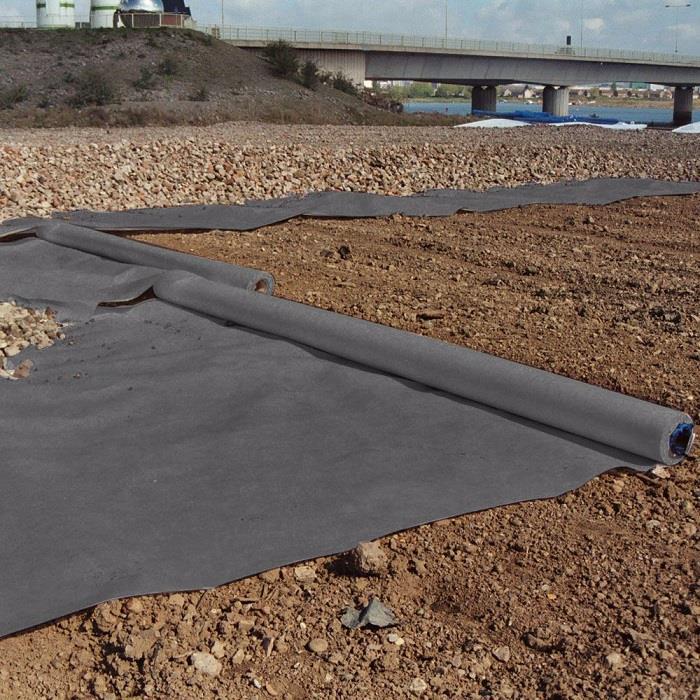
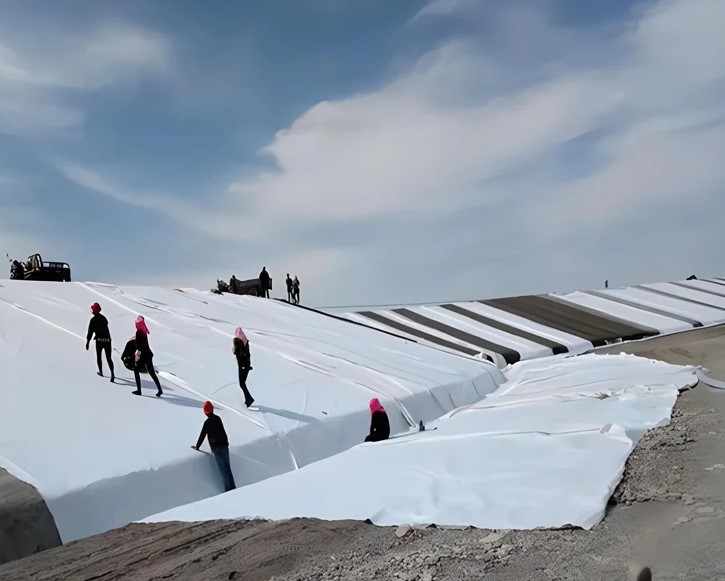
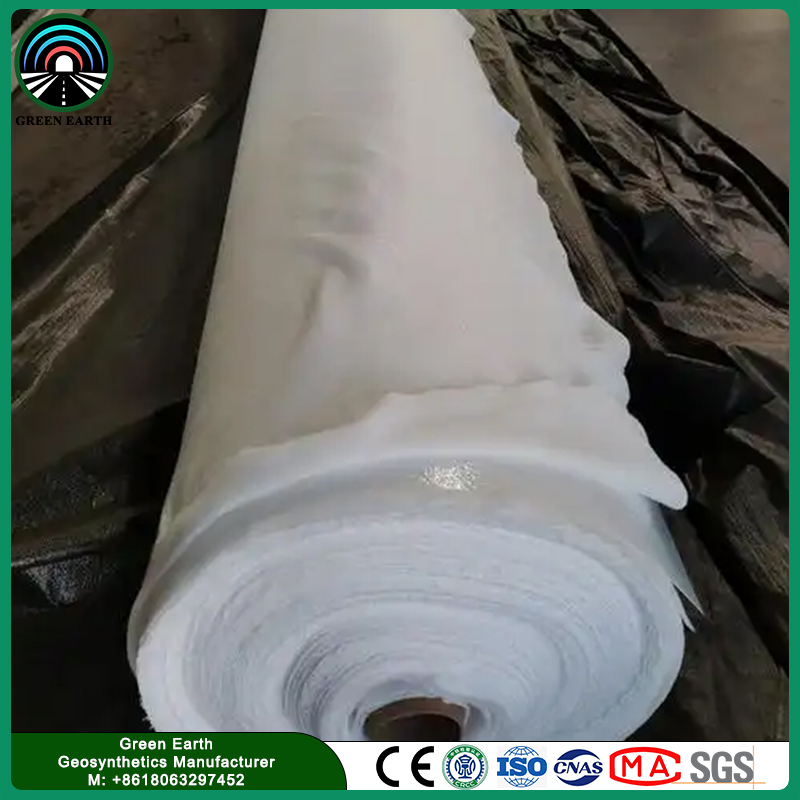
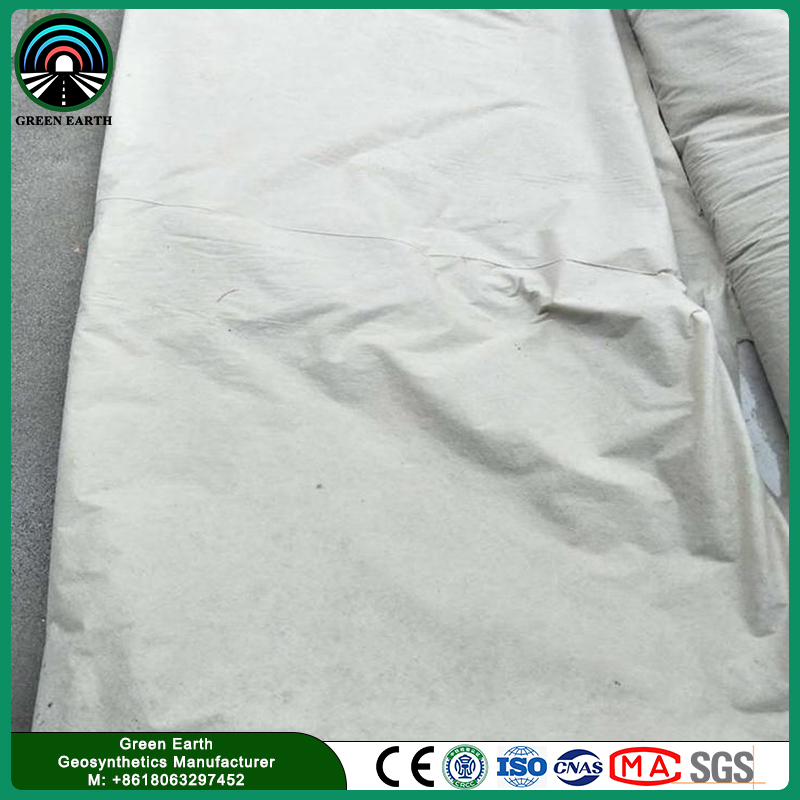
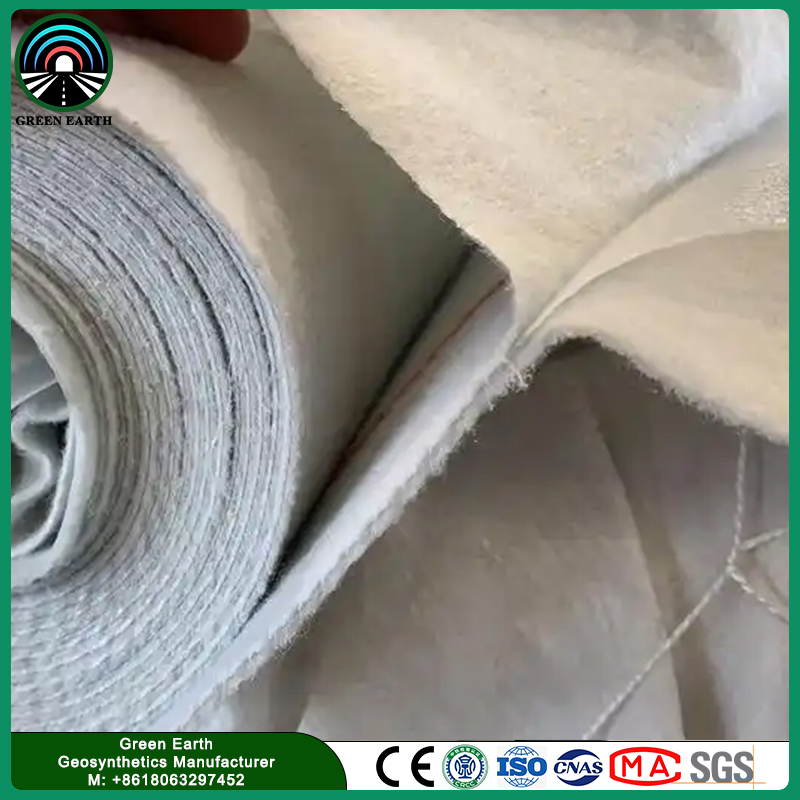
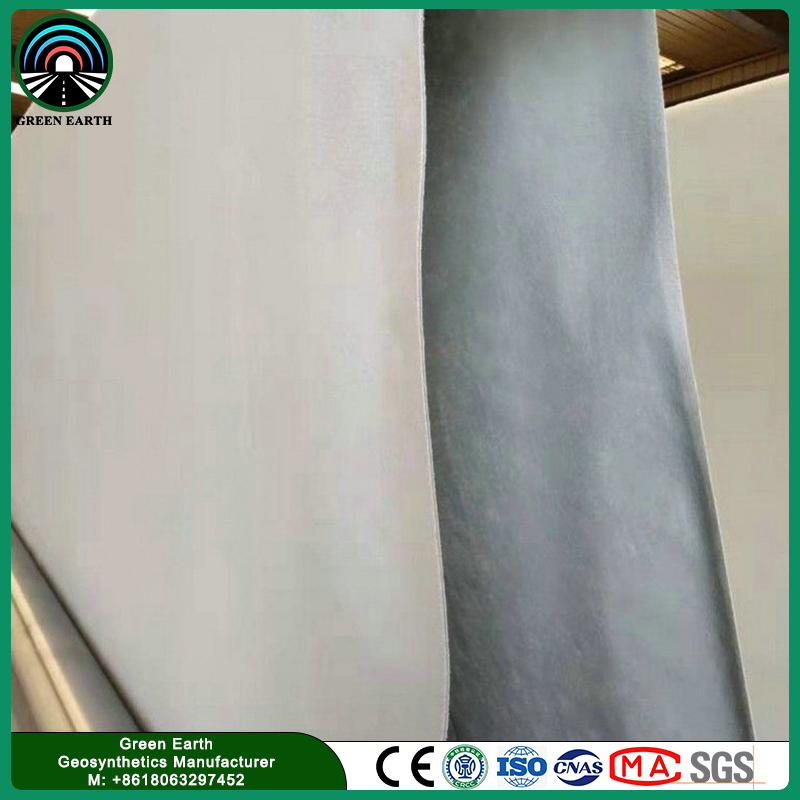
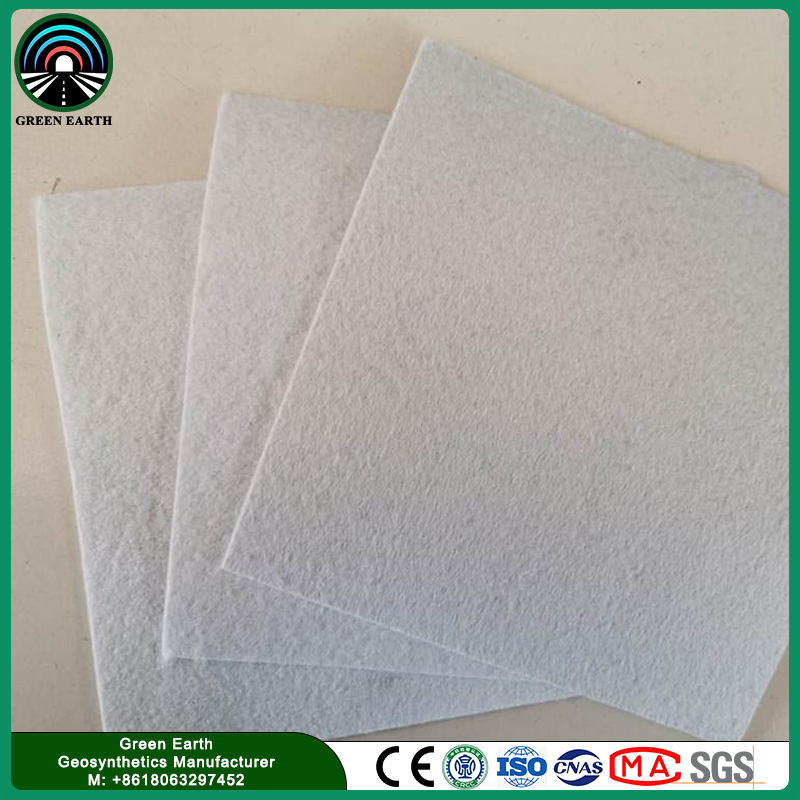
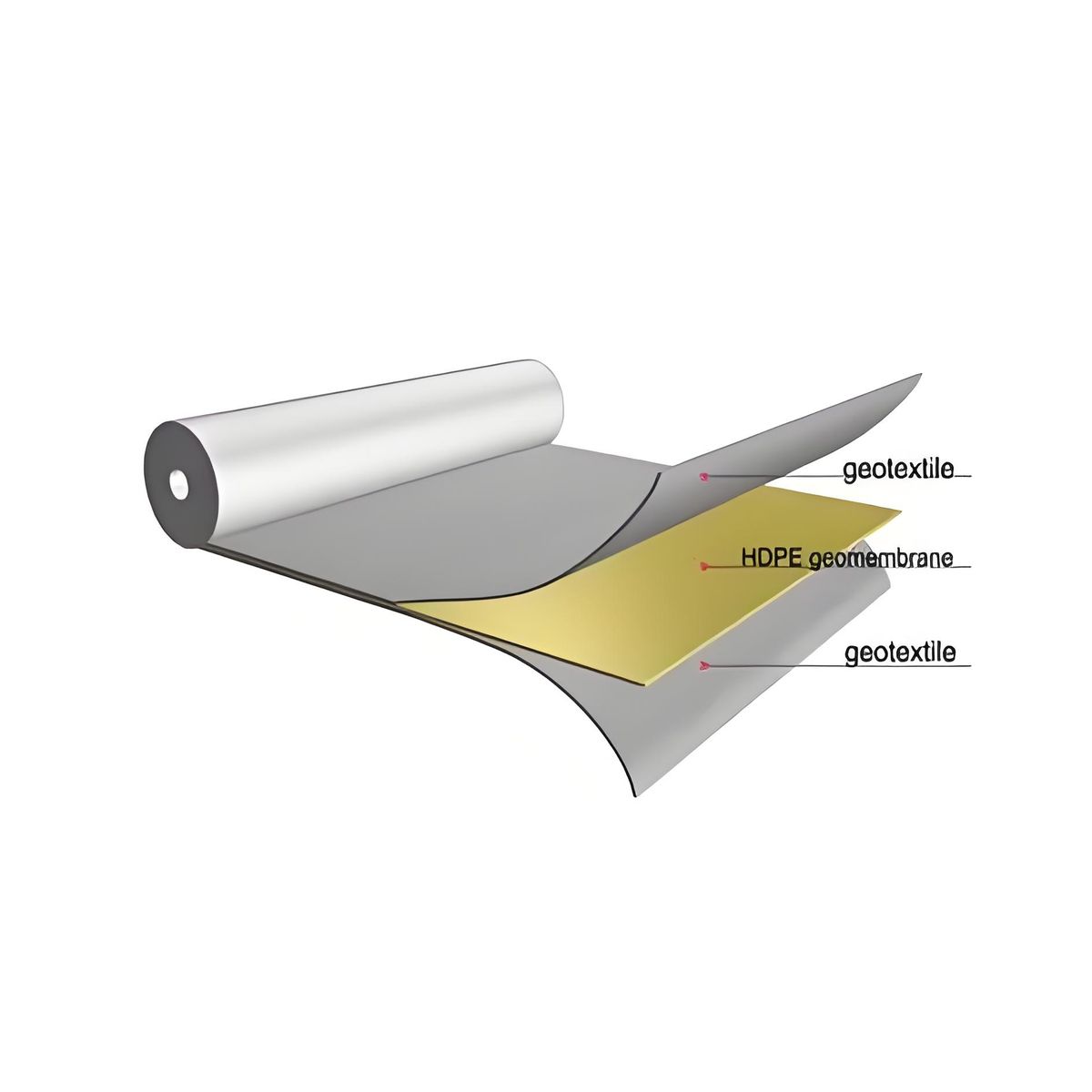
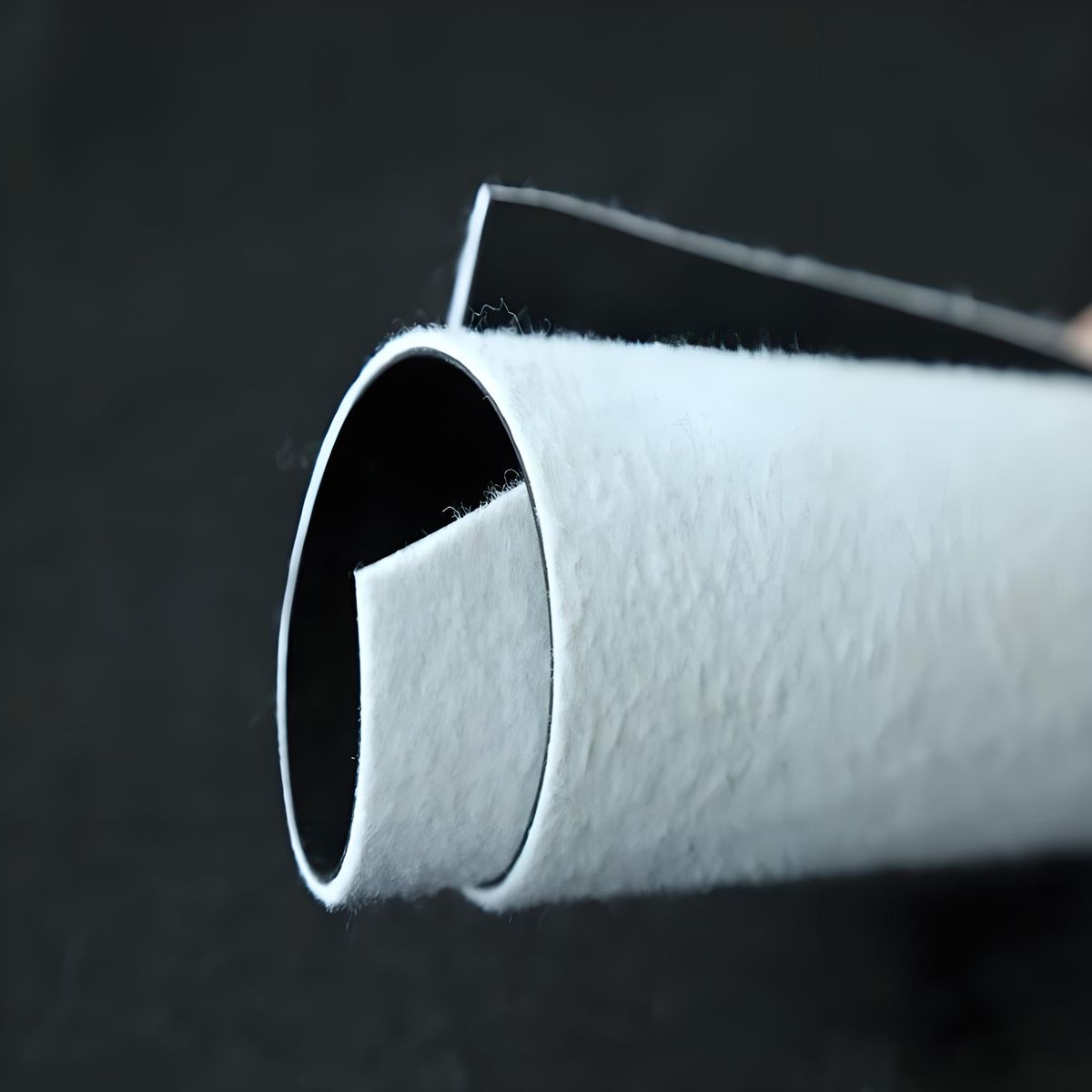
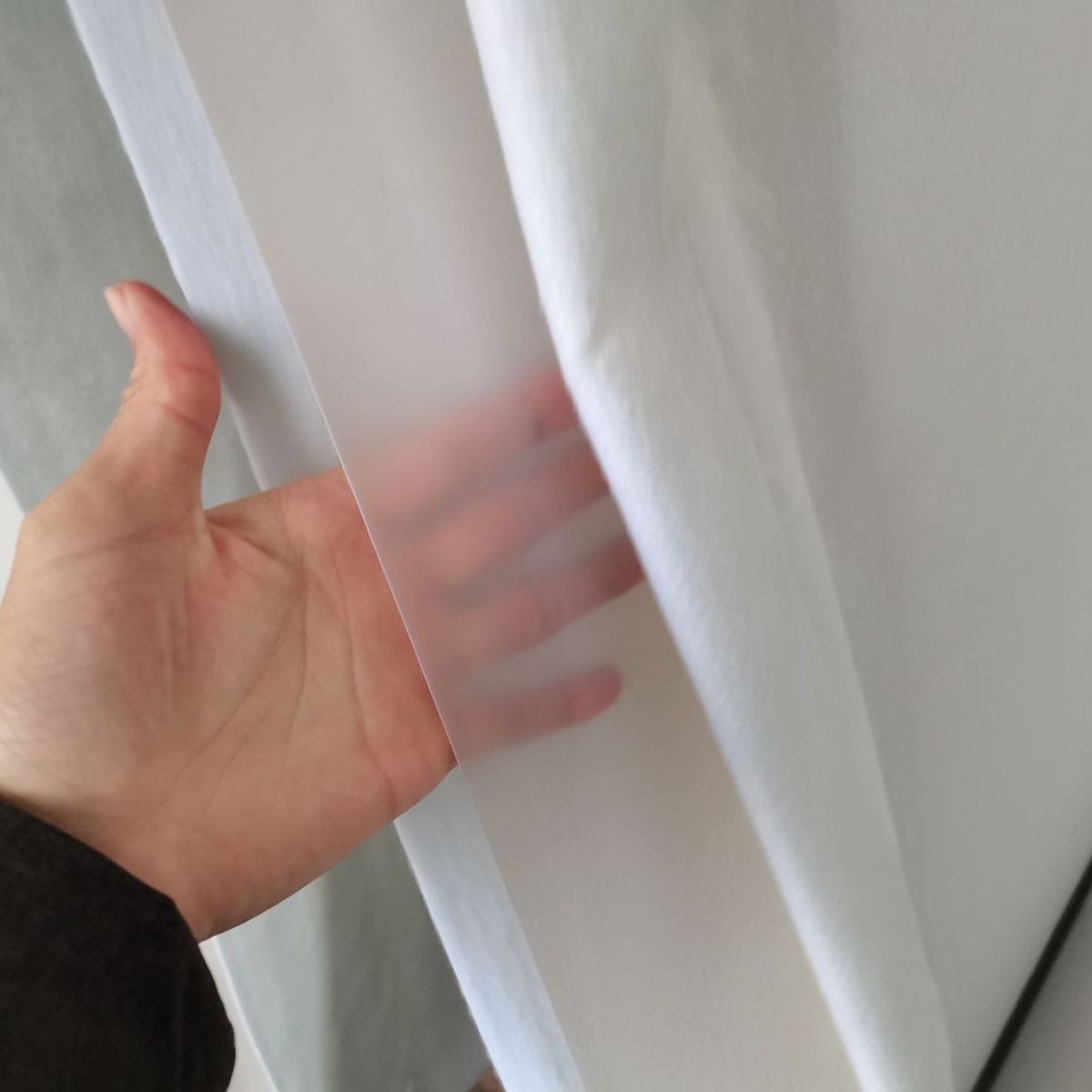
Geocomposites made of geononwoven and geomembrane is made of nonwoven fabric as the base material and geomembrane such as polyethylene/polyvinyl chloride as the membrane material. It has the characteristics of anti-fatigue and high tensile strength of geomembrane, and also has the waterproof and anti-seepage properties of geomembrane. Nonwoven fabrics generally use short-fiber needle-punched nonwoven fabrics, filament spunbond needle-punched nonwoven fabrics, etc. These materials have the characteristics of high strength, corrosion resistance, and anti-aging. The membrane material mainly uses polyethylene (PE) film, polyvinyl chloride (PVC) film, etc., which have good waterproof and anti-seepage properties.
 |
 |
 |
|
Geocomposites made of geononwoven and geomembrane structure |
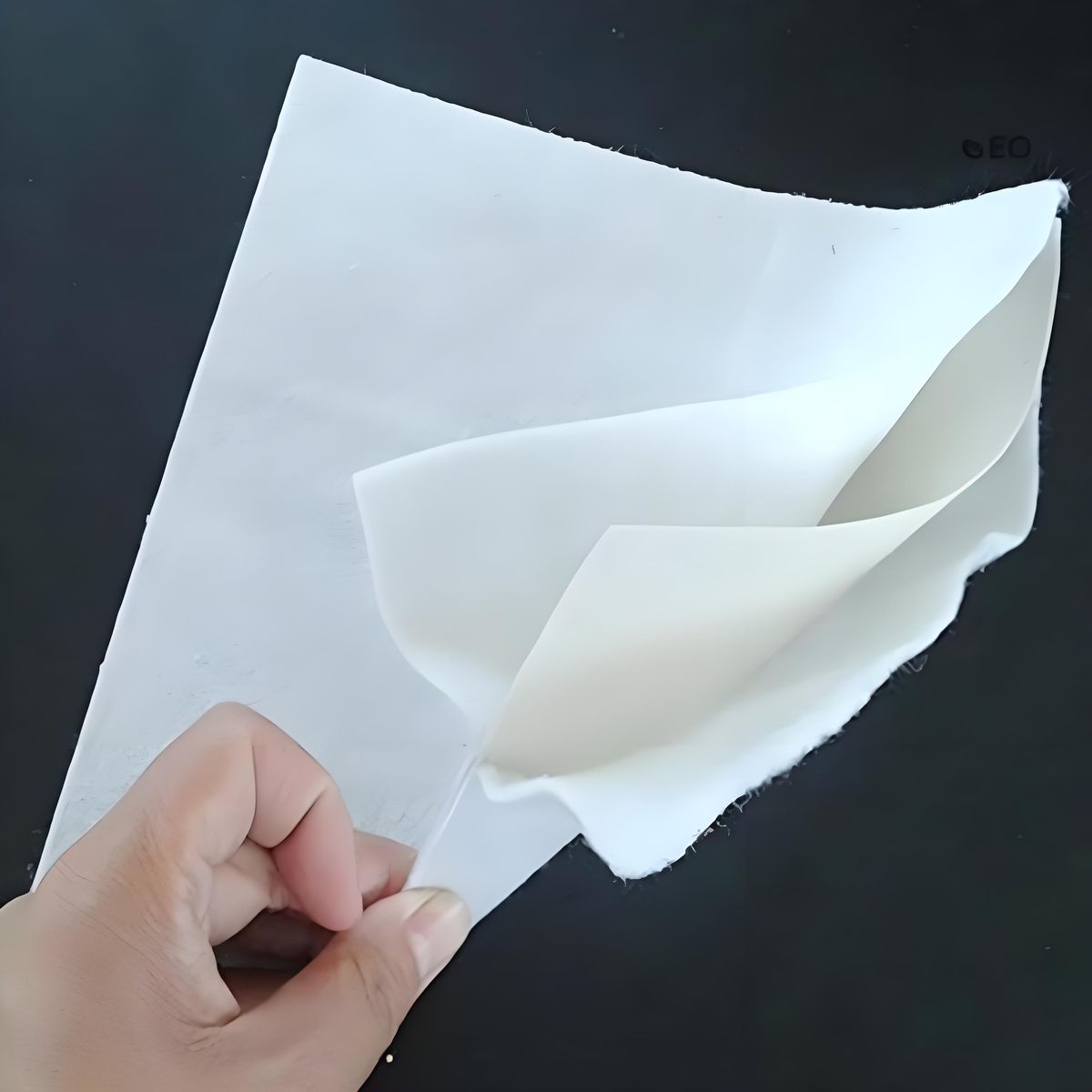
One geononwoven with one film |
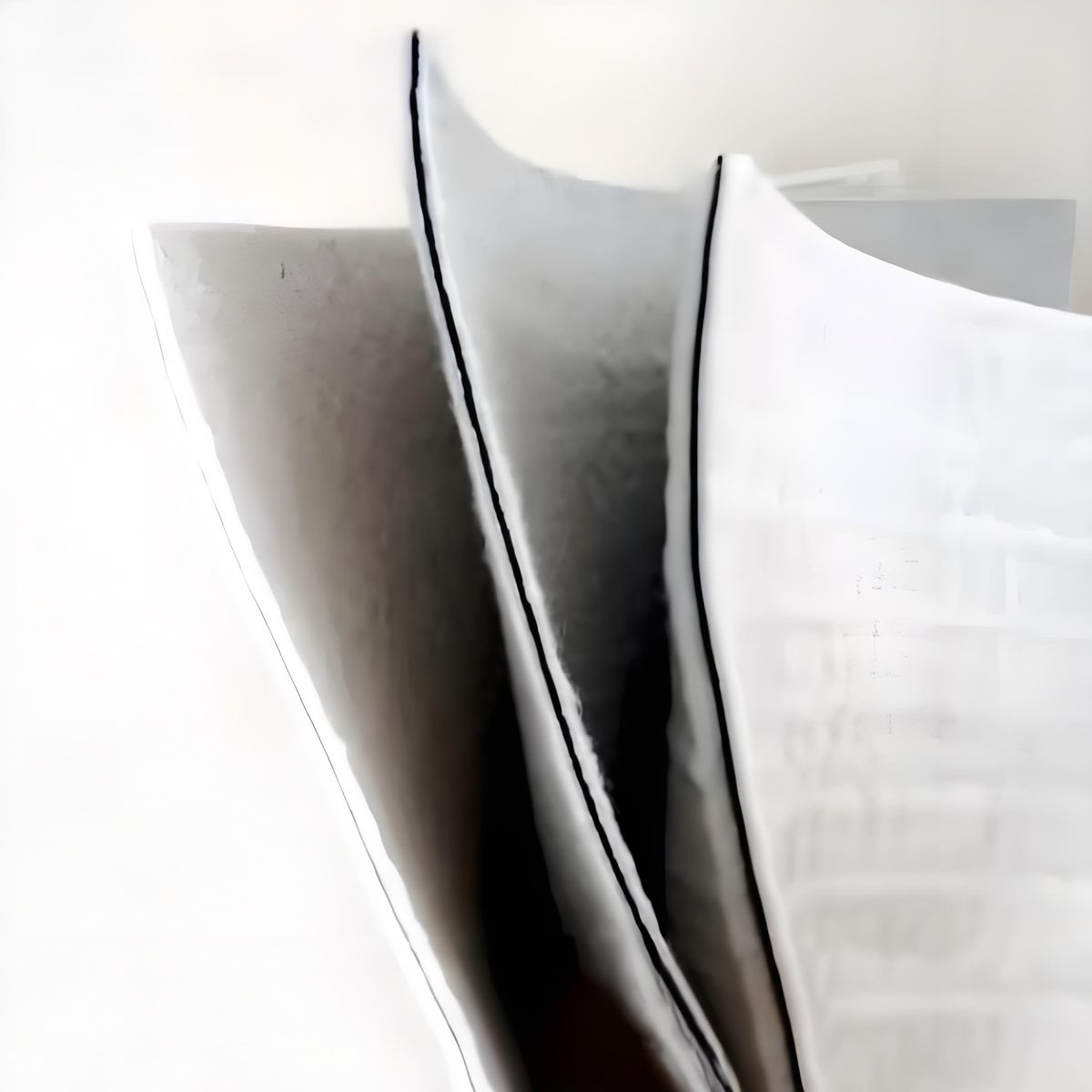
Two geononwoven with one film |
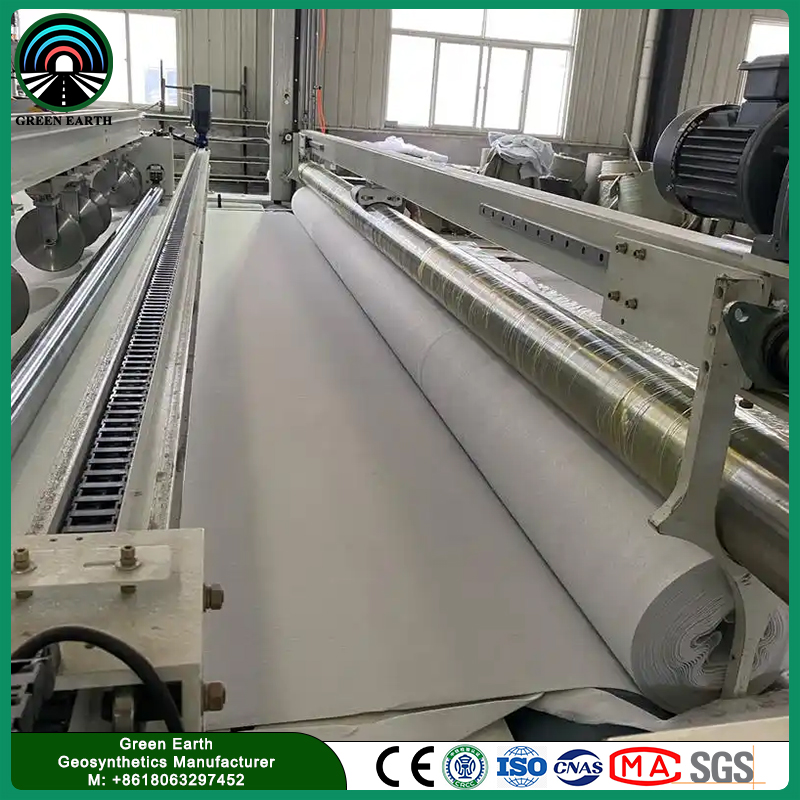
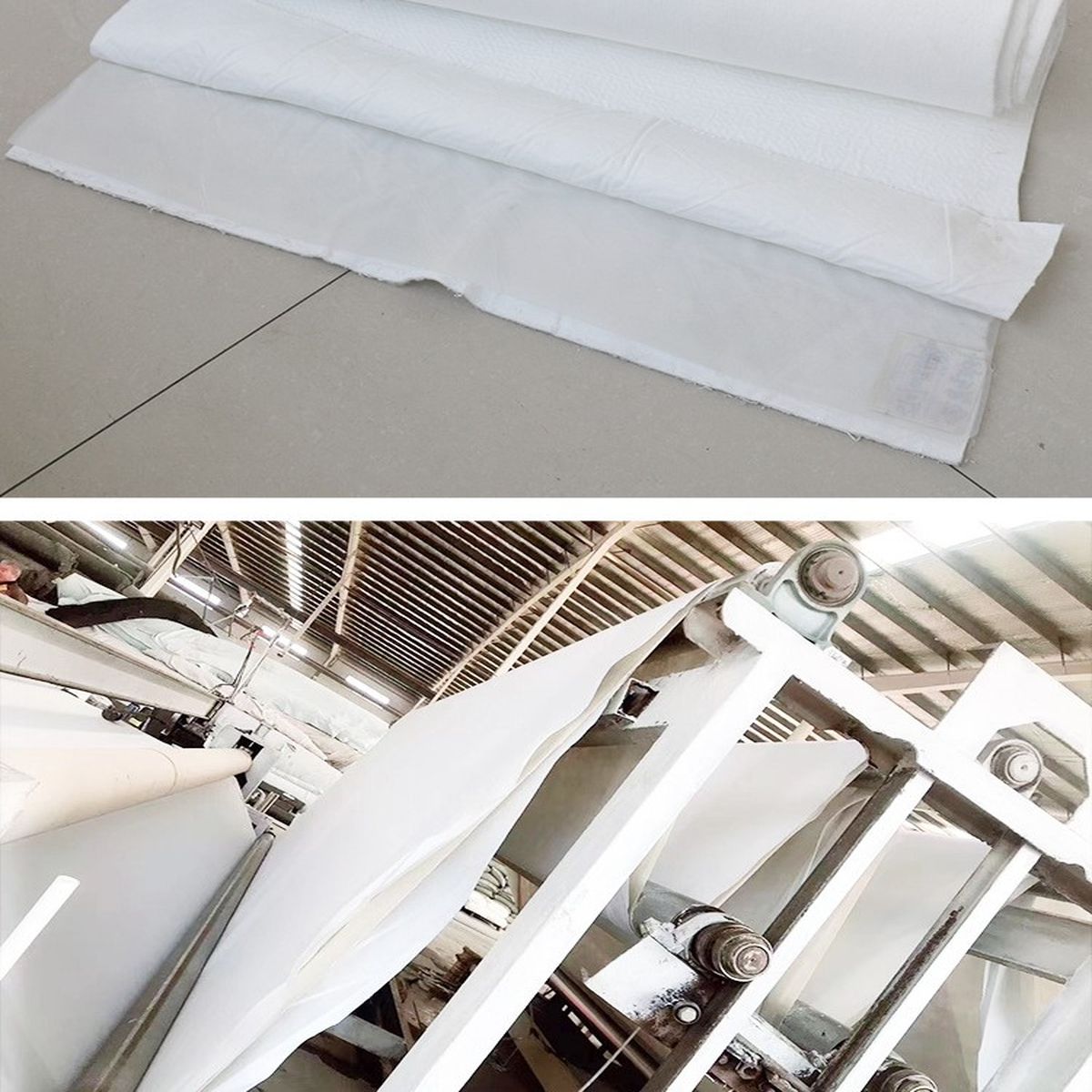
There are four main methods for manufacturing Geocomposites made of geononwoven and geomembrane: casting, calendering, coating and rolling. The non-woven fabric and plastic film are tightly bonded together to form a whole, so as to give full play to their respective advantages and meet the needs of various complex engineering environments. Among them, casting is extrusion casting composite; calendering is extrusion calendering composite method. These two methods are advanced in technology, high in production efficiency and good in product quality.
Geocomposites made of geononwoven and geomembrane can be divided into one cloth with one membrane, two cloths with one membrane, one cloth with two membranes, and multiple cloths with multiple membranes (customized) according to its structure. The common geocomposites of one cloth with one membrane has only one layer of non-woven geotextile and one layer of anti-seepage membrane, which has relatively good anti-seepage and protection performance. The geocomposites of two cloth with one membrane has a non-woven geotextile on the upper layer as a protective layer, mainly to prevent the anti-seepage membrane from being damaged; the middle anti-seepage geomembrane is the core layer, which mainly plays an anti-seepage role; the lower layer is also a non-woven geotextile, which further enhances the anti-seepage effect and provides additional protection.
Advantages of Geocomposites Made of Geononwoven and Geomembrane:
1. Good waterproof and anti-seepage performance, can effectively prevent the penetration of groundwater, surface water and chemical substances.
2. Good air permeability, can ensure the normal circulation of groundwater and prevent the softening of soil.
3. High tensile strength, can withstand large tensile force, suitable for various complex soil engineering projects.
4. Good fatigue resistance, can withstand large vibration and deformation, avoid loosening or deformation of soil due to vibration and deformation.
 |
 |
 |
|
Advanced technology to ensure product quality |
Good waterproof and anti-seepage performance |
High tensile strength |